How to Gently Exfoliate Under Your Eyes (And Why You Might Want To)
Smooth without stressing skin.
When you think about exfoliation, you think scrubs and acids, both of which sound way too harsh for the delicate skin under your eyes. After all, we’ve been told for years not to rub, tug, or do anything intense in that area.
But summer complicates things. All that layered SPF, sweat, and eye makeup can build up fast around the eyes. And for some people, that means milia: tiny, stubborn white bumps that don’t budge with eye cream.
So if you’re wondering why on earth people would want to exfoliate the under-eyes, that’s a pretty legit reason, if you ask me. But it’s not the only one.
Exfoliating around the eyes can help remove dry, flaky skin that makes concealer patchy. It can also improve texture and fine lines and even boost product absorption, so your eye creams and masks work better!
That said, this isn’t something you need to do often or at all if you’re not dealing with specific concerns. Under-eye exfoliation isn’t like exfoliating your face. It’s not preventative. It’s not maintenance. It’s just… situational.
If your eye area needs a refresh, here’s how to exfoliate it gently, safely, and effectively.
How to Exfoliate Under-Eyes
1. Use a Warm Cloth
If you’re going the physical route, forget scrubs. A soft, damp (and clean) cloth is the only exfoliating tool gentle enough to use under your eyes. But timing matters. Don’t do it on dry skin!
Instead, let your skin soften first. Maybe steam your face, take a warm shower, or soak a cotton pad in warm water and rest it over your eyes for a minute.
Once the skin is soft, sweep the cloth lightly along the under-eye and brow bone. No pressure, no rubbing, no dragging. You’re not scrubbing. You’re lifting away softened flakes.
Quick Note: I’ve never used these personally, but those reusable cleansing pads (also called makeup removing pads) are super popular now. If you go that route, choose a version made with soft microfibers and follow the same method above.
2. Stay Away from Scrubs
Using a facial scrub can be too much for your face, let alone your under-eye area. Even the gentle ones aren’t gentle enough here. Scrubs can create tiny micro-tears in the under-eye skin even if they feel soft to the touch.
And that goes double for anything gritty and grainy or walnut-y. Scrubs are best kept for thicker areas, like maybe your cheeks or your body, not paper-thin under-eye skin.
3. Don’t DIY
Similarly, avoid a DIY scrub. Homemade scrubs like sugar, salt, or oatmeal mixes can be unpredictable. You don’t have enough control over texture, pressure, or ingredient ratios to keep things safe.
One swipe too rough and you’re dealing with redness, inflammation, or broken capillaries that take weeks to fade. So no DIY!
4. Use Chemical Exfoliants
Chemical exfoliants like alpha, beta, and polyhydroxy acids, contrary to how they sound, are much safer than physical ones. And yes, you can use acids around the eyes. But no, that doesn’t mean you can swipe your glycolic toner up to your lash line.
The key is to look for eye-specific products with gentle exfoliating ingredients like lactic acid, gluconolactone, or another polyhydroxy acid, or papaya enzymes.
These work slowly to loosen buildup without causing damage. Many eye creams for milia include one or more of these ingredients.
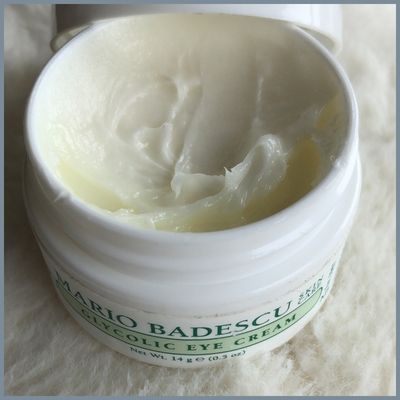
Mario Badescu’s Glycolic Eye Cream is a great example of this. It’s an exfoliating eye cream, but at the same time, it’s super buttery and gentle on the eyes.
Quick Note: I’m guilty of swiping an exfoliating toner a little too close to my under-eyes. Let me save you the trouble: you might get away with it once or twice, but most of these products are not made for the eye area. One day, and this actually happened to my sister, it’s going to sting a little. Then you’ll wake up with redness, puffiness from irritation, and somehow, more visible wrinkles. So don’t use your face toner under your eyes. Try the method below instead.
5. Try Exfoliating Cleansers
If you’re already using a face wash with acids like a glycolic or lactic acid cleanser, you might be getting some light exfoliation under the eyes just from rinsing. But don’t lather too aggressively.
And never use harsh foaming or astringent cleansers near your eyes. A milky exfoliating cleanser with low-concentration acids is your safest bet here. But this is more of a passive technique than a focused treatment.
6. Switch to Retinol Eye Cream
Retinol is one of the most effective ways to exfoliate and renew the under-eye area over time. No scrubbing required! It doesn’t exfoliate the way a regular exfoliant does, but it speeds up skin turnover.
That’s how retinol helps fade milia, smooth out crow’s feet, and brighten hyperpigmentation. So consider retinol eye creams because they’re buffered and gentler. Remember to start slowly, and use your eye cream twice a week and at night only.
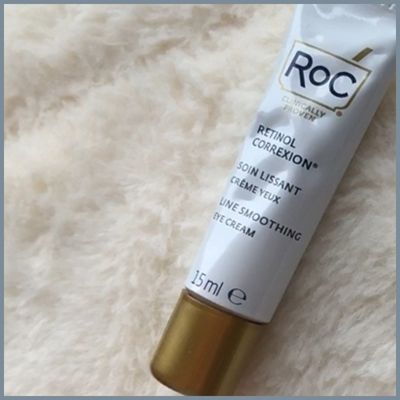
Roc Retinol Correxion Eye Cream is a great starter retinol eye cream. It’s relatively beginner-friendly. You’ll get to keep your under-eyes smooth and flake-free.
7. Remember to Moisturize After
Exfoliation makes your skin more absorbent. So give it something good to soak in. Follow with a hydrating eye cream with ceramides, hyaluronic acid, or peptides.
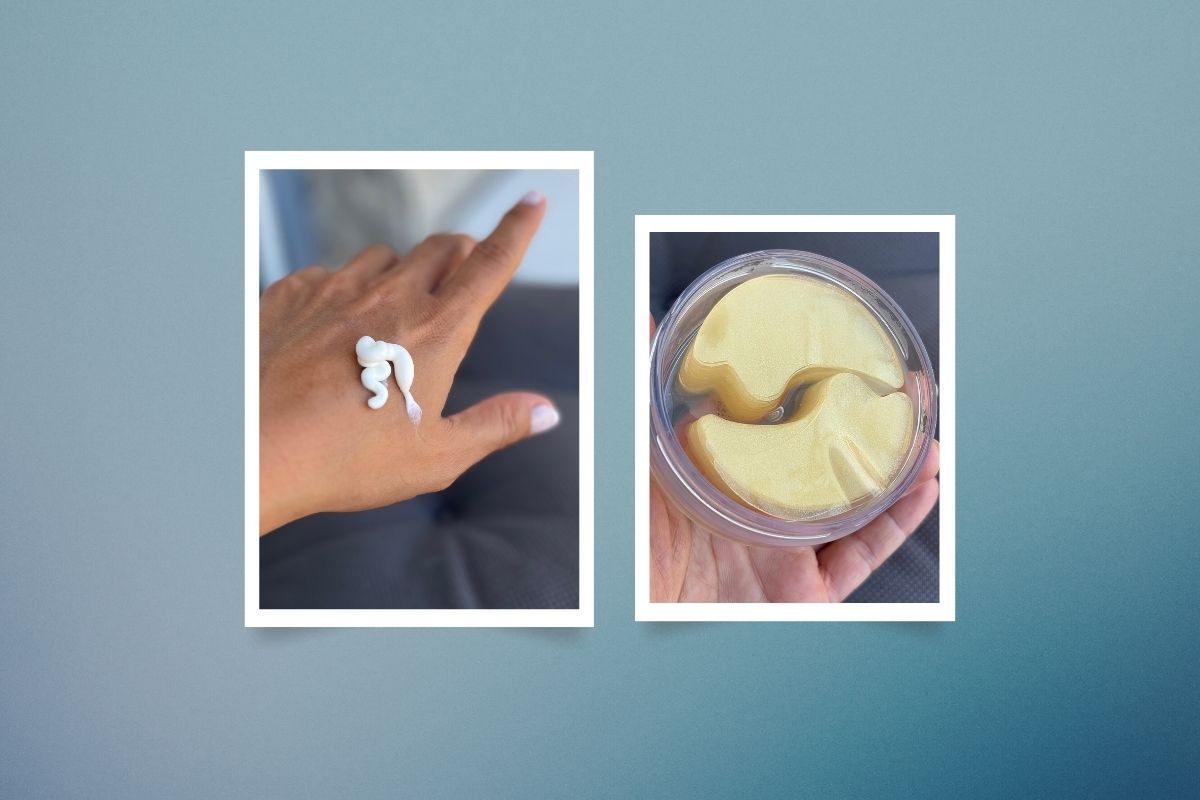
Try cooling eye masks or patches to plump, de-puff, and soothe. Maybe try a light facial oil, dabbed sparingly, if the skin feels tight.
So this is how you can exfoliate the skin around the eyes. Under-eye exfoliation is helpful when you’re dealing with milia and flaky skin, which tends to make your concealer look patchy, too. But again, if you don’t have any issues there, it’s best to leave it alone.
Read Next: How To Exfoliate Sensitive Skin