Is Your Sunscreen Pilling? Here’s How To Prevent It
Smooth layers, no roll-off.
It’s difficult to find a good sunscreen you like as it is, and now you have to make sure it doesn’t rub off. Because if it does, you experience what’s called pilling. Pilling is when your skincare products seem to be repelled by your skin and just stay on it until they build up into little rolls and just rub off.
It’s one thing when your moisturizer is pilling. But when your sunscreen is pilling, it means that your skin doesn’t get the proper sun protection it needs. It’s vulnerable to sunlight. That’s why it’s important to find out what causes sunscreen pilling and how you can prevent it. Keep reading to find out how.
What Causes Sunscreen Pilling?
There are a few reasons for sunscreen pilling. The problem might actually be the sunscreen itself. But it can also be what you apply before you apply your sunscreen, and how you apply your products.
But first and foremost, you need to exonerate your sunscreen! To find out whether or not your sunscreen is the one that’s causing pilling, here’s what you do.
Apply your sunscreen on clean, dry skin. Don’t put anything on before or after it. Just use it alone. Trust me, there are simple moisturizers that fail this test! I’ve seen a $60 moisturizer come off my bare face!
After you apply your sunscreen, give it a few minutes to settle and then see if there is any pilling. If it’s pilling, then it’s going to pill every single time no matter what you pair it with.
It means that the ingredients in it don’t go well with your skin. In that case, you might want to toss it away. If there’s no pilling, there might be a way to salvage it.
How To Prevent Sunscreen Pilling
Here’s how to prevent your sunscreen from pilling.
1. Be Aware of the Ingredients
Some ingredients are notorious for causing pilling. And the most popular of the bunch is silicone. Silicones are occlusive ingredients that are meant to create a barrier on top of the skin.
They are great for preventing dry skin. But when you apply anything on top of that, you may experience pilling. So if your sunscreen contains silicones, it might be the culprit.
Moreover, if both your moisturizer and your sunscreen contain silicones, they’re bound to repel each other, causing pilling on the skin. Try a silicone-free sunscreen and pair it with a silicone-free moisturizer.
2. Layer Properly
Layering your products in the wrong order before moving on to the sunscreen can also cause pilling. Make sure you apply your skincare from thinnest to thickest. And apply your sunscreen as the last step of your skincare.
Additionally, make sure you give your products enough time to settle and dry. Don’t slather on sunscreen before your moisturizer absorbs.
3. Avoid Overusing Your Products
Again, the products you apply before you apply sunscreen and the way you apply them may also be the reason for sunscreen pilling. So you need to rule this out as well.
Using a lot of products and using more than you should can cause the products to stay on the skin, making it impossible to layer sunscreen.
If you’re not sure about the amount of skincare to use, here’s a rough guide. If it’s a face serum, use no more than 2-3 drops. If it’s a moisturizer, use a nickel-sized amount.
4. Make Sure It’s Not Your Skincare Routine
Oily, congested skin causes serums to stay on top of the skin, let alone your sunscreen. If you’re not washing your face properly or exfoliating regularly, your skin may be the one contributing to sunscreen pilling.
If other products in your routine, not just your sunscreen, peel off your skin too, you need to pay more attention to your skincare routine and start doing something about those dead skin cells piling on top of your skin.
When your base is the problem, even the lightest, no-pill sunscreen can flake off and pill. So remember to wash your face every day. And exfoliate regularly by using an exfoliating toner or a serum.
5. Skip Primer After Sunscreen
If you’re someone who regularly wears makeup, you might be dealing with sunscreen pilling more than someone who doesn’t wear makeup.
Because makeup products really test sunscreen formulations. I mean the true potential of a sunscreen can only be seen when you apply foundation on top of it. But I digress.
If you wear a makeup primer, especially a silicone-infused blurring primer, it might be the cause of your sunscreen pilling. If you can, skip applying primer and go straight to applying base makeup after applying sunscreen.
6. Try a Different Formula
You may have tried all of these and may still be dealing with pilling. It’s more than understandable to want to work with what you have instead of reaching for a new product. But don’t give up on sun protection just yet. Maybe it’s time to try different solutions.
There are SPF moisturizers that allow you to do more with less. Fenty’s Hydra Vizor is what’s getting me through this summer. There are tinted SPF moisturizers that basically render your other products redundant.
Similarly, there are sunscreens in serum form that are very unlikely to cause pilling. There are also powder sunscreens you just swipe across the skin. Take advantage of those!
So these are some of the best ways to prevent sunscreen pilling. Sun protection is important if you want to maintain healthy, youthful skin and prevent premature aging. A good sunscreen is a great investment. And you may need to do some trial and error at first. But it’s probably the only product that’s worth the effort.
Which Sunscreens Pill More?
From my experience, I can tell that certain sunscreens tend to pill more. This is not a rule. It’s just something I’ve observed from using a ton of different sunscreens.
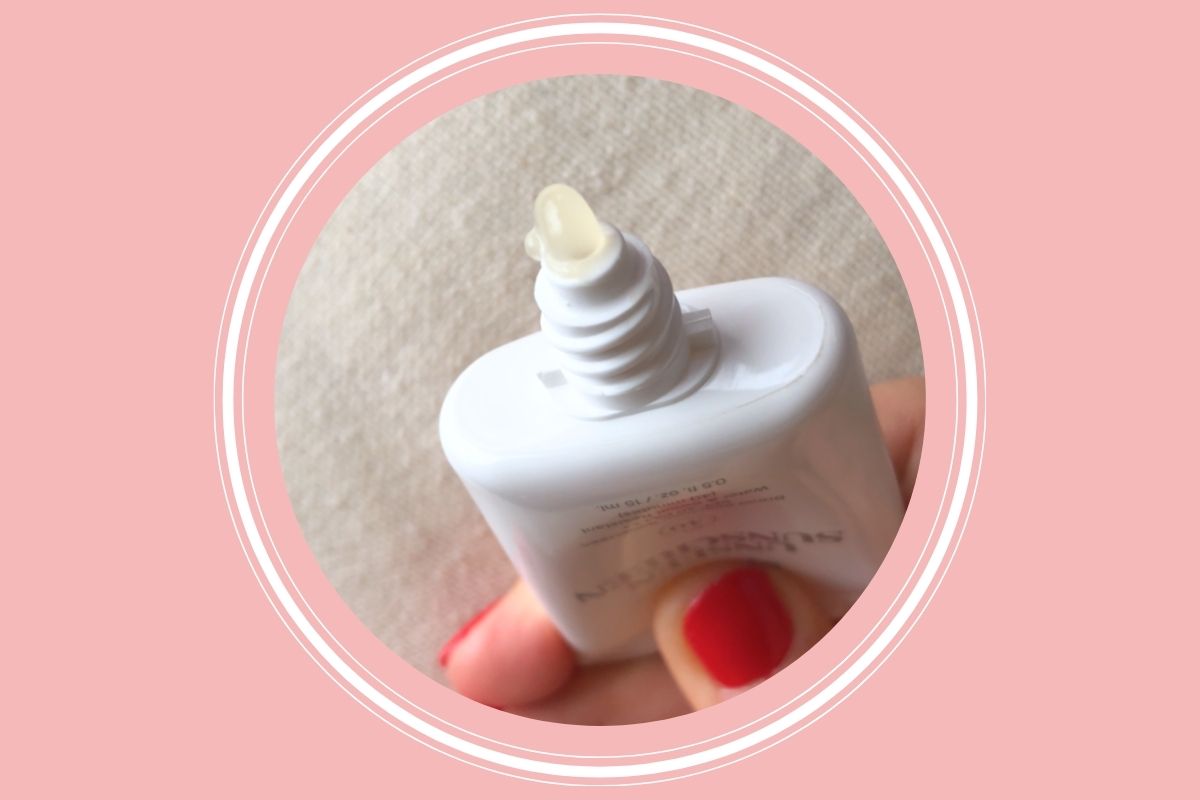
For example, if a sunscreen is invisible as in it comes out like a transparent gel, it’s likely to contain lots of silicones. These sunscreens are literally invisible and leave no residue except for a very velvety feel. But once you apply something on top of them, they usually pill. Try to avoid these types of sunscreens.
As another example, some sunscreens are touted to work as primers. Again, these tend to be a bit thicker in texture and resemble a blurring primer. While they apply nicely and feel soft on the skin, they’re usually more suitable to wear alone and don’t pair well with other products. Try to avoid sunscreens that do more. Stick with a very basic formula.
Lastly, I love mineral sunscreens because they’re gentler on my sensitive skin. But it’s no secret that mineral sunscreens work by creating a barrier on the skin. That’s why they tend to pill more than chemical sunscreens. For that reason, I usually go for a high-quality sunscreen if I’m using a mineral formula. Low-quality sunscreens, especially mineral sunscreens, are more likely to pill on your skin.
Read Next: The Best Sunscreens To Wear Over Makeup