Sensory Skincare, A Softer Way to Care for Your Skin
Soft textures, calm results.
Let’s be honest: if a beauty writer with access to every powerful, high-end skincare product still can’t get a handle on stress pimples, you probably can’t either.
I’ve spent years, and shared most of them on here, chasing the “right” skincare. From the minimalist kind, the dermatologist-approved kind, to the overpriced kind that promises miracles in frosted glass.
I’ve followed the rules. I’ve stripped back. I’ve layered up. And still, my skin pushed back. Sometimes the gentlest serum broke me out. Sometimes a plain bar of soap made my skin feel calm. It was frustrating, to say the least.
These days, I’m no longer trying to be perfect with my routine. I just want it to feel good. I want skincare that smells nice, glides beautifully, warms my hands, cools my face, something I look forward to, not something I need to solve.
People call this sensory skincare.
Here’s what it means, why I’m making a switch, how it’s been working out for my skin, and why you might want to consider trying it too!
Sensory Skincare
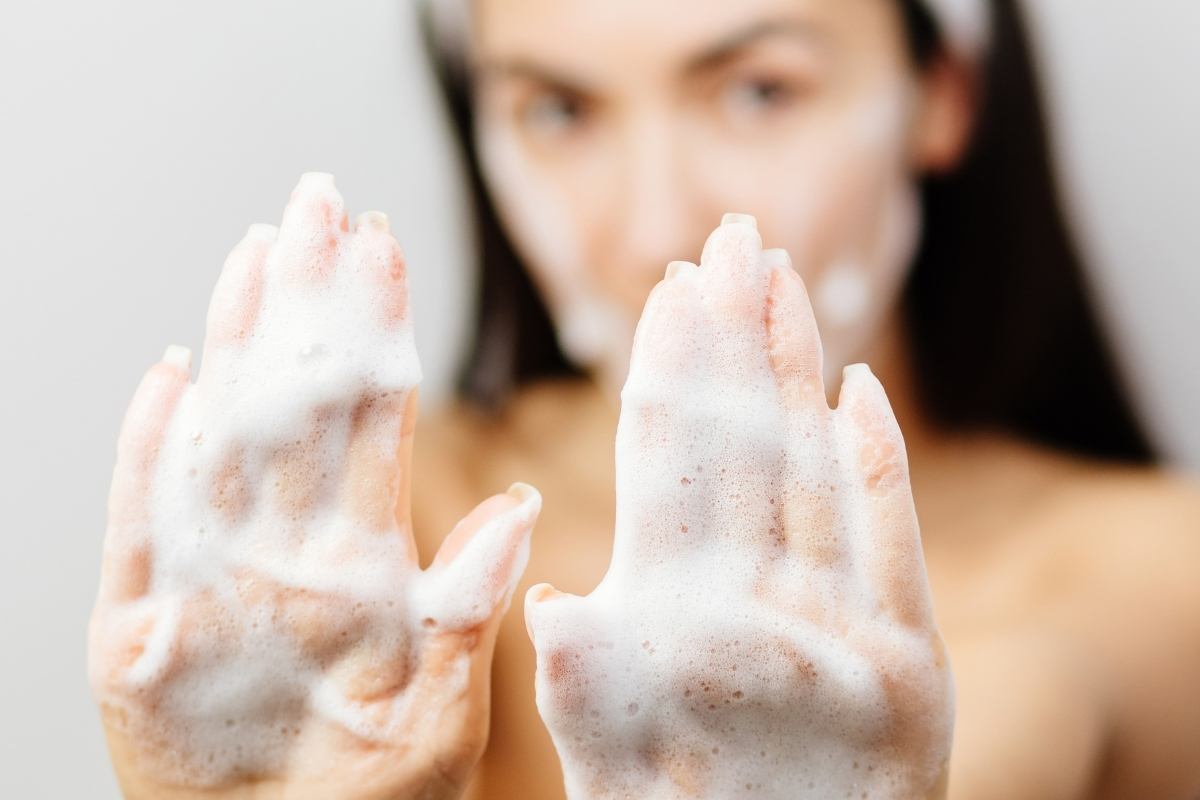
Sensory skincare is meant to satisfy your senses. It refers to skincare products that give you skin benefits while evoking positive feelings through senses such as touch or smell.
It’s about how a product feels, not just what it claims to do. It’s the way something smells when you open the lid, or the texture on your fingers before it even touches your face. When you think about it, it’s incredibly personal because our sensory experiences are unique.
With this approach, you kind of move away from concepts like ingredients, exfoliation, and acids, and lean towards feelings and senses.
Why the Change
For me, it was my stress pimples. As an almost 40-year-old, I had full-blown breakouts around my chin, blackheads across my face, a gritty texture, and bumpy skin, like my face was silently screaming.
I did everything by the book! Salicylic acid for acne. Azelaic acid for my rosacea. Vitamin C for dark spots. Topical antibiotic from the pharmacy. These are the ingredients everyone, especially dermatologists, swear by, right? But none of them helped.
That’s when I realized that maybe I should simply just stop trying to solve it. After all, even the most stripped-back formula can feel harsh if it doesn’t meet me where I am.
So I let go. I stopped trying to fix it and started using what I actually wanted to use. Not actives. Not rules. Just products I enjoyed, ones with soft scents, satisfying textures, and a kind of gentleness my skin had been craving.
And slowly, something changed. My skin calmed the F down.
Especially on the days I slowed down, gave myself a five-minute face massage, or looked in the mirror with a little more compassion than criticism.
That’s when I had to ask: if this feels better and works better, what are we doing chasing active ingredients that just stress us out?
What My Skincare Looks Like Now
Whatever phase my skin is going through, it’s not over. I still have flare-ups, but it feels much more manageable.
These days, there’s no rigid routine. I’ve literally stopped browsing Sephora. I’m taking a break from consumption. I’m going over what I’ve left in my beauty cabinet and focusing on using the ones I feel like using!
Some evenings, I crave a thick feeling and a facial massage. So I reach for a face oil. Other times, I just wash my face and leave it like that!
I know a skincare routine’s supposed to be a routine, but mine is currently instinctive. Mood-based, unstructured, kind of how I am overall these days.
My Favorite Sensory Products
If you’re new to feel-good skincare, you might not know what it looks like. Here are some of my sensory staples.
- Motif Abundance Cleanser/Mask has this scent that reminds me of the feeling of being surrounded by trees. It smells like crushed leaves and damp soil.
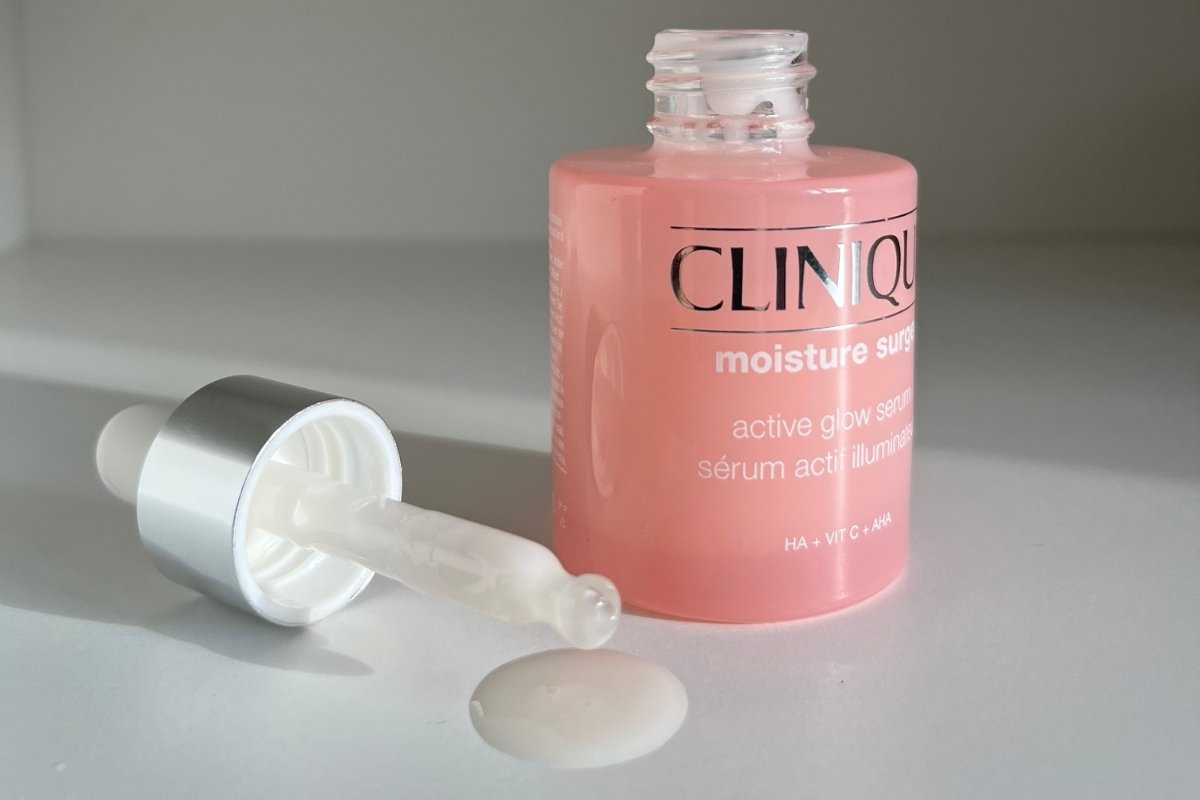
- Kiehl’s Midnight Recovery Concentrate, with its sharp lavender scent, slows me down. Every time I press it into my skin, it feels like a permission slip to relax.
- Patchology Served Chilled on Ice Eye Gels are like cold fruit slices pressed to tired eyes.
- Fresh Rose Face Mask is made with rose petals suspended in jelly. It’s floral and fancy, almost romantic.
- Caudalie Resveratrol Serum literally smells like French confidence. Not girly, but super feminine.
- Summer Fridays Cloud Dew Gel Cream has a playful texture, cushiony and plump.
- Origins Drink-Up Mask is like an oversized hoodie for the face. Thick, buttery, and smells like heaven.
- Nuxe Huile Prodigieuse Dry Oil feels like bronze, summer skin. Less about hydration and more about sensuality.
These products aren’t the most “correct.” But they’re mine. They feel good. And that’s what keeps me coming back. As I said earlier, this is highly personal! So what makes me feel calm and soft may not work the same way for you.
How to Try It Yourself
Next time you’re browsing for skincare, keep these in mind:
- Pick products with soft textures, or calming scents like lavender or neroli, or energizing citrus.
- Instead of obsessively going over the ingredient list, open the lid first and smell the lotion. Focus on the feeling.
- Use lukewarm water and soft cloths instead of aggressive exfoliating scrubs.
- Slow down and turn your routine into a sensory ritual, even if it’s just 3 minutes.
- Feel-good doesn’t mean expensive or cutely packaged. It means a product makes you feel something good.
That’s about it. Remember, skincare doesn’t have to be either nothing or everything. Sensory skincare offers a softer way in. It’s a way to reconnect with your body through touch, scent, and presence. It’s less about control and more about, well, care.
So let your skincare be sensory. Let it be something you reach for because your body craves it. We deserve routines that help regulate us, not restrict us!
Read Next: Personalized Skincare