
The 7 Different Types of Foundations, Explained
Foundation types, demystified.
I regularly receive emails asking me for foundation recommendations, especially from my readers above 40. And one thing I tell them that surprises them the most is that there are different types of foundations. And the reason why their current foundation isn’t working for their skin is probably because they’re using the wrong type. I don’t think I’ve ever been wrong about that.
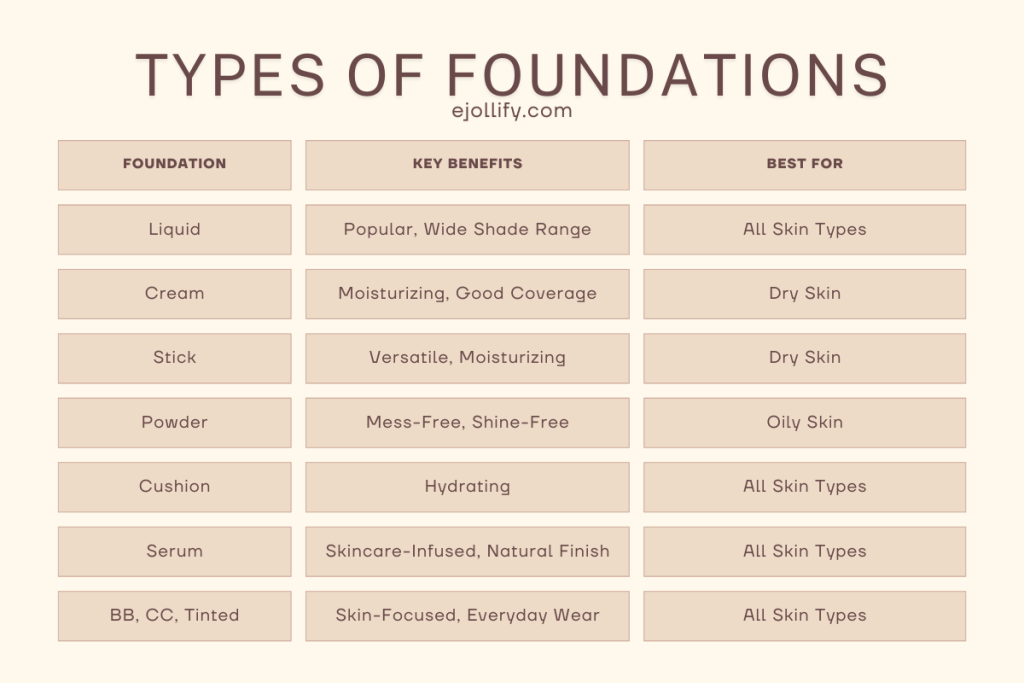
Foundation is the cornerstone of a makeup routine. It’s what we use to create a flawless canvas. Foundations even out the skin tone, conceal imperfections, blur out pores, and smooth out fine lines. And if your foundation isn’t doing what it is you want it to do, it’s probably because it doesn’t suit your skin.
You need to match your foundation with what your skin type needs, what foundation coverage you prefer, and what finished look you expect. Thankfully, we have several types of foundations to cater to every need. If you’re ready to check out what is out there, below is everything you need to know about the different types of foundations, their advantages, and drawbacks so that you can choose the best one for you.
Types of Foundations
1. Liquid Foundation
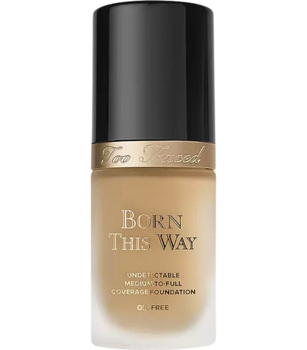
Liquid foundation is the most common type of foundation. It’s what we mostly see on the shelves at the beauty store. Liquid foundations usually have a runny consistency with varying textures.
They can be light and water-based and a bit thicker and silicone-based. Liquid foundations have different finishes like dewy or matte and different coverage levels from low to high.
They usually come in a pump bottle. While you can apply a liquid foundation using any kind of makeup tool, most of them can be applied using your fingers as well.
Because of their bendability, spreadability, and ease of use on all skin types and textures, liquid foundations are the most popular and practical type of foundation.
And because of their popularity, it’s very easy to find a foundation shade match no matter your skin type or tone. Plus, they’re easy to adjust depending on the occasion or the look you’re going for.
Most liquid foundations have a waterproof version, allowing you to enjoy better staying power. I think you’re more likely to find a good match if you look into liquid foundations.
2. Cream Foundation
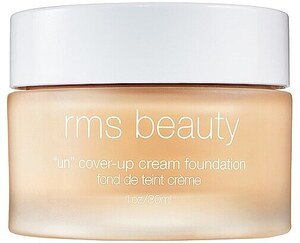
Cream foundation is thicker than liquid foundation and tends to be very moisturizing. The consistency can vary from basic cream to whipped cream to mousse.
Cream foundations usually come in a jar or a pot and require a tool like a foundation brush to apply. Because of their thicker texture, cream foundations tend to be a bit more difficult to blend, which is why they are not as popular.
Though cream foundations are mostly high coverage, they’re more popular among people with dry skin because the thicker texture is not very comfortable for people with oily skin.
Because of their emollient base, they can contain ingredients that feel heavy on oily skin and can even cause breakouts on acne-prone skin.
Overall, I wouldn’t recommend cream foundations for people with combination, oily, acne-prone skin. However, dry skin types will love these, especially as winter-friendly foundations.
3. Stick Foundation
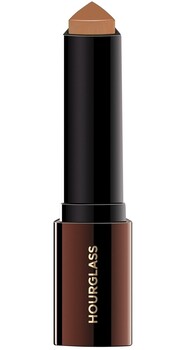
Stick foundation is practically cream foundation in stick form. The texture is very similar to a cream foundation, only lighter, and the stick packaging makes it more modern, and easier to use.
Stick foundations glide on the skin, which is a dream come true texture for dry skin. They have a very moisturizing, emollient base.
They come in different coverages and finishes and are more versatile than cream foundations. Because of this, they’re suitable to use no matter your skin type.
They’re mess-free as they’re in stick form and they’re travel-friendly too. Additionally, the stick form allows them to work double duty and work as concealers to cover imperfections too.
However, it’s not always easy to use a stick foundation, especially if you’re applying makeup on dry skin. It can cling onto dry patches, especially when you don’t properly prep your skin.
Also, you may have trouble applying it directly onto the skin by swiping. And in that case, you’ll need a tool to apply it. If you’re a beginner, maybe don’t start with stick foundations as you’re unlikely to find a good match.
4. Powder Foundation
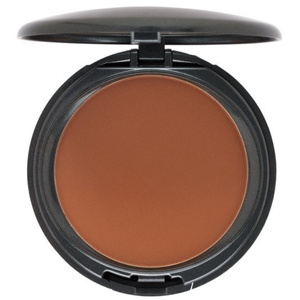
A powder foundation can be in loose form or compact form. Loose powder foundations are made of finely milled particles, which are mostly minerals. And that’s why they’re sometimes called mineral foundations.
Loose powder foundations usually provide less coverage but they tend to be minimal, which can be preferable if you have sensitive, reactive skin.
Compact powder foundations come in compressed form and usually provide more coverage. Powder foundations tend to have a matte finish and oil-absorbing properties.
And they’re most popular among people with oily skin. However, because of their rigid form, powder foundations can be difficult to apply and blend, especially if you have dry skin. And the mattifying effect is not ideal for most skin types.
But they can work as complementary foundations. For example, I usually apply powder foundation on top of liquid foundation as a way to freshen up makeup in the evening and absorb excess oil, especially in summer.
5. Cushion Foundation
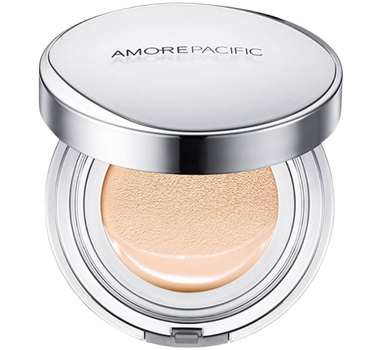
Cushion foundation is like a combination of powder foundation and cream foundation. It comes in compact powder form and has a wet, creamy consistency.
The packaging usually comes with a sponge that you use to press down on the compact and the sponge wets with a certain amount of foundation.
Because of the wet formula, they’re easy to apply and blend. Cushion foundations are usually between low and medium coverage and have a dewy, radiant finish.
They work for all skin types but because these are hard to come by, it’s very unlikely to find a good shade match. I only have one favorite cushion foundation; these are that difficult to come by. If you’re a beginner, I wouldn’t recommend going for a cushion foundation as your ideal formula.
6. Serum Foundation
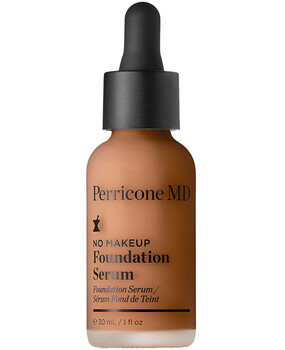
A serum foundation is a skincare and makeup hybrid. Serum foundations prioritize your skin and have more skin benefits like hydration and moisture while providing low to medium coverage.
Serum foundations are better for no-makeup makeup looks, natural makeup looks, and everyday looks. They come in different finishes and usually work for all skin types and tones.
Because of their light consistency, they are much easier to use, apply, and blend, even if you’re a beginner. You can even apply them using your fingers.
If you generally complain about your foundation looking heavy, cakey, or settling into wrinkles and fine lines, you can try serum foundations for light but natural coverage.
7. BB Creams, CC Creams, Tinted Moisturizers
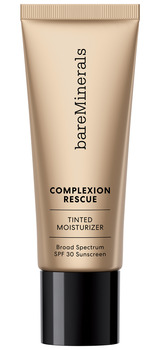
BB creams, CC creams, tinted moisturizers, and skin tints are all foundation alternatives that provide coverage while offering other benefits. These are a category of complexion products you can use as a foundation substitute.
They come in varying textures, coverage levels, and finishes. And you can use them no matter your skin type and tone. The most important benefit of these products is their ease of use where you don’t need to think too much about shade range or the right application tool.
If you’re looking for something to use every day, these products come in different coverages and finishes, allowing you to use them no matter your skin type.
On the flip side, these products, though there are exceptions, usually lack the necessary coverage to blur out textured skin and smooth out the visibility of wrinkles or acne.
If you’re new to these products, I have a whole guide on BB cream vs. CC cream vs. tinted moisturizer where I deep dive into each.
So these are the different types of foundations. I think liquid foundations are the most practical. They’re so versatile and the shade range is the most extensive with liquid foundations. So overall, you’re more likely to find a foundation you’ll like if you look into liquid options.
Read Next: How to Apply Foundation